
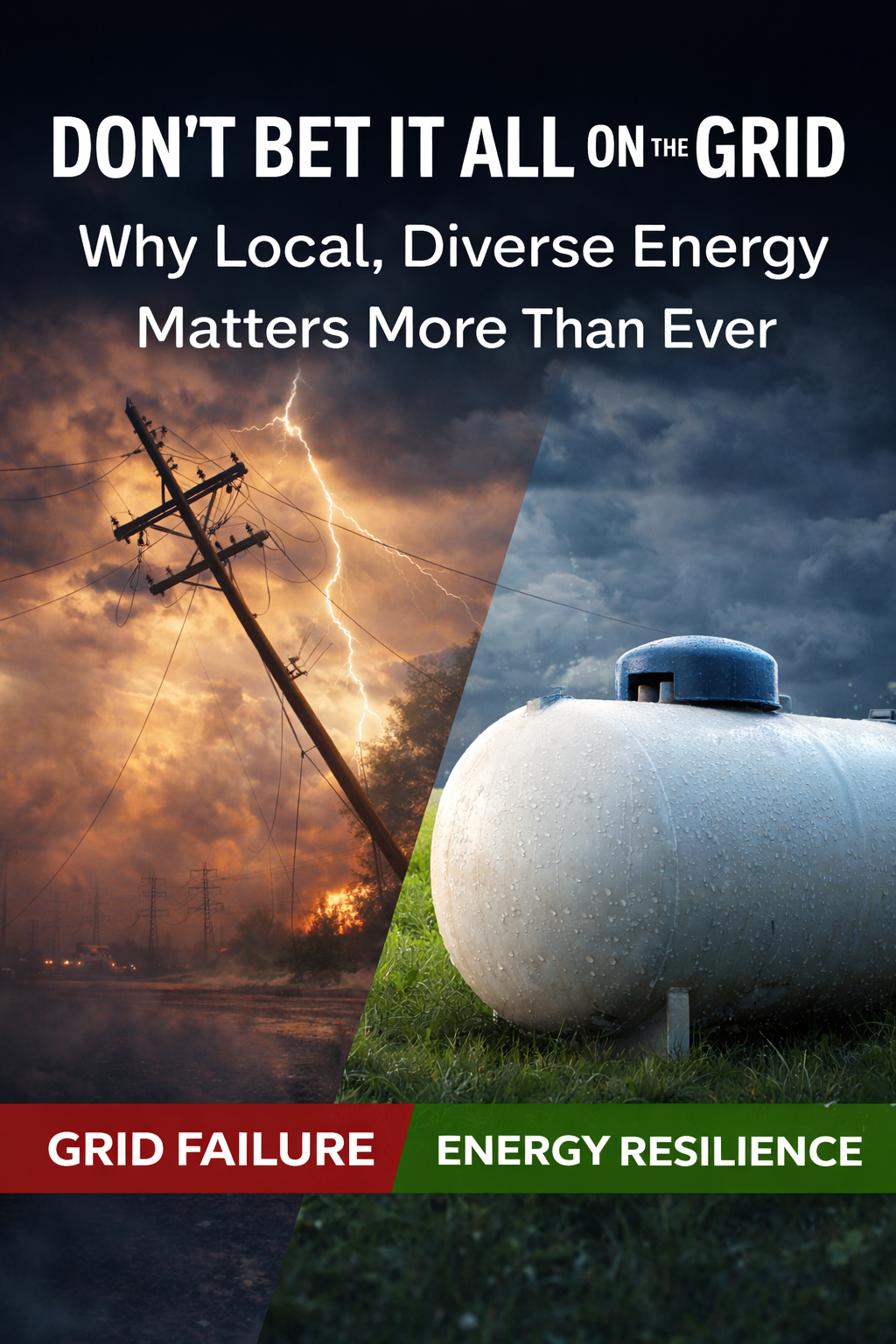
Superior Energy owner Alan Friedman breaks it down in his latest article why “electrification only” policies, that remove fuel choice and the consolidation of energy providers, risk creating a system that is less resilient, more expensive, and less accountable to the people it serves.
Energy Diversification Isn’t Political — It's Smart Risk Management
In finance, diversification is a basic rule of risk management. You don’t put your entire portfolio into one stock, no matter how promising it looks. You spread risk, hedge against failure, and plan for uncertainty.
That same principle should guide energy policy. Yet across New England, particularly in Connecticut and Massachusetts, we are drifting toward a future that concentrates both energy supply and energy service into fewer hands and fewer options. At a time when unpredictable storms, grid strain, and rising costs are becoming more common, that approach deserves closer scrutiny.
Massachusetts has taken a clear step in this direction with proposed policies like the Clean Heat Standard, currently delayed until at least 2028, which would incentivize electrification while penalizing traditional heating fuels. Connecticut is considering similar pathways. While electrification plays an important role in reducing emissions, framing the future as “all-electric” risks creating a system that is less resilient, more expensive, and less accountable to the people it serves.
The Electric Grid Is Essential—but Not Infallible
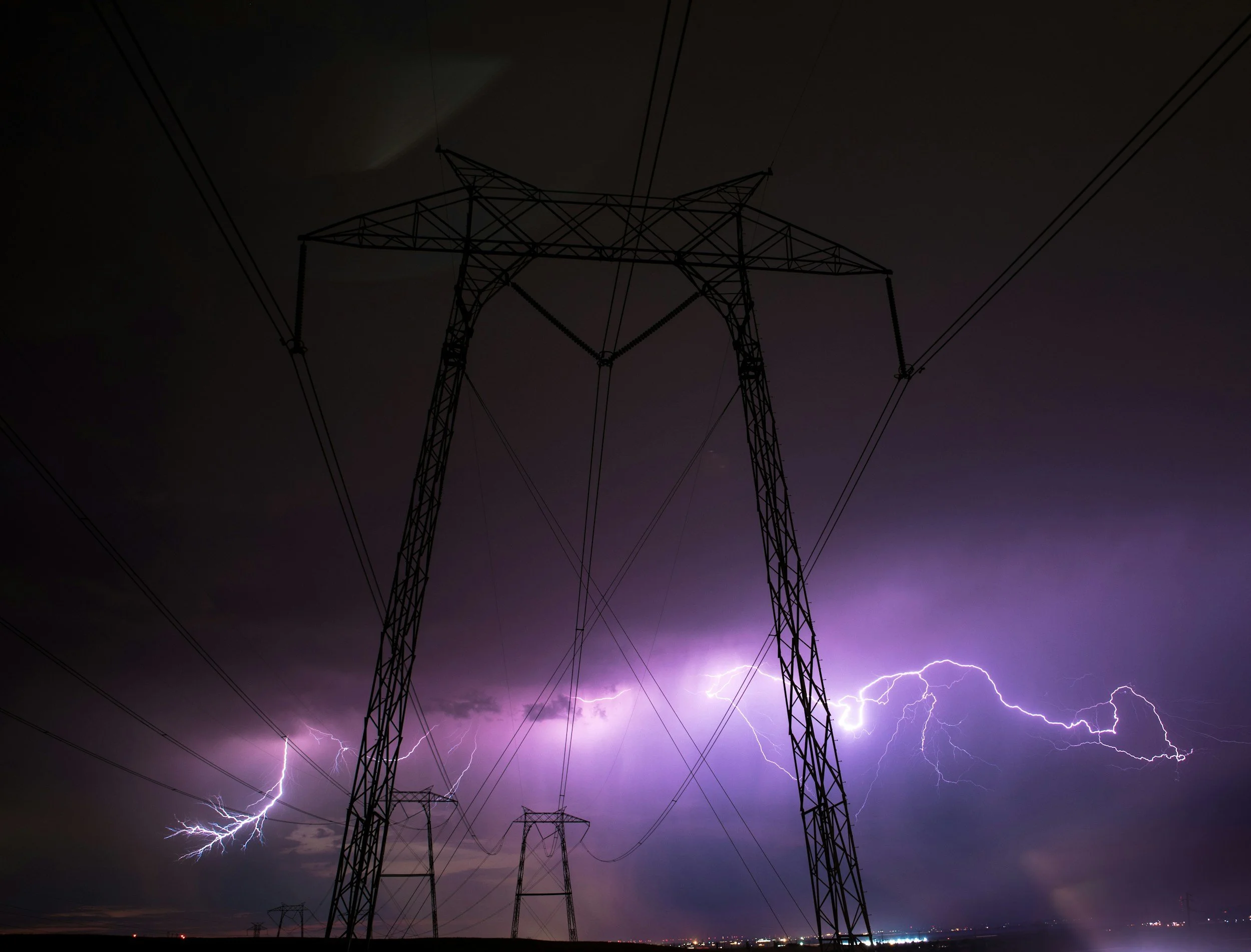
Electric grids are complex and increasingly strained. Extreme weather conditions, aging infrastructure, and growing demand from data centers and new technologies have exposed vulnerabilities throughout the Northeast. During severe storms, regional grid operators routinely rely on backup generation and emergency measures to keep systems functioning.
This is where propane and other distributed fuels matter. Propane is stored on-site, independent of the grid, and immediately available during outages. It heats homes, powers generators, and supports critical services when power lines go down. In practical terms, a propane tank in a backyard is decentralized energy storage that doesn’t depend on transmission lines or centralized control.
There’s Another Risk Hiding in Plain Sight: Corporate Consolidation
Energy resilience isn’t just about fuels. It’s also about who provides them.
Over the past decade, the energy industry has undergone rapid consolidation. Large, nationwide conglomerates have acquired hundreds of local propane companies, often retaining familiar local brand names. To customers, it may appear that they’re still dealing with a hometown provider, when in reality, service decisions, dispatch operations, and staffing are managed hundreds or thousands of miles away.

Calls go unanswered. Offices are permanently closed. Hold times stretch into hours. Delivery delays stack up. And the personal service that once defined local providers gets traded for inefficiency, frustration, and—in many cases—increased safety risks.
This brand confusion has real consequences. When extreme weather hits, customers may discover that the local office is no longer local at all. Phones route to distant call centers. Decisions are made by centralized systems optimized for efficiency, not responsiveness. The sense of accountability that once came with local ownership is diluted.
Small, locally owned propane businesses operate differently. Owners live in the communities they serve. Drivers know the back roads, the customers, and the urgency of a no-heat call in January. When something goes wrong, there is no corporate buffer between the problem and the solution.

That local presence isn’t nostalgia. It’s operational resilience.
What Policymakers Should Consider
As policymakers in Massachusetts and Connecticut consider the next phase of energy transition, they should weigh not just emissions targets, but system risk.
Forcing households into a single energy pathway while simultaneously consolidating service providers concentrates vulnerability. If the grid falters or rates rise, consumers have fewer alternatives and less leverage.
Connecticut already experiences some of the highest electricity costs in the country. Massachusetts homeowners face similar pressures. Removing fuel choice while consolidating providers exposes families to higher costs and lower reliability. It doesn’t protect them—it limits them.
The Bottom Line: Resilience Needs Options
We Need Balance—Not Overcorrection
This isn’t an argument against clean energy or grid investment. It’s an argument for balance. A resilient energy system is one with multiple tools, multiple fuels, and multiple providers. Electrification, efficiency, propane, renewables, and local service all have roles to play.
New England’s energy future should not depend on a single wire or a single corporate structure. It should be built on diversity, accountability, and choice.
Because when the lights go out and the storm rolls in, resilience isn’t theoretical. It’s local.
A service truck in your driveway and a neighbor who picks up the phone.