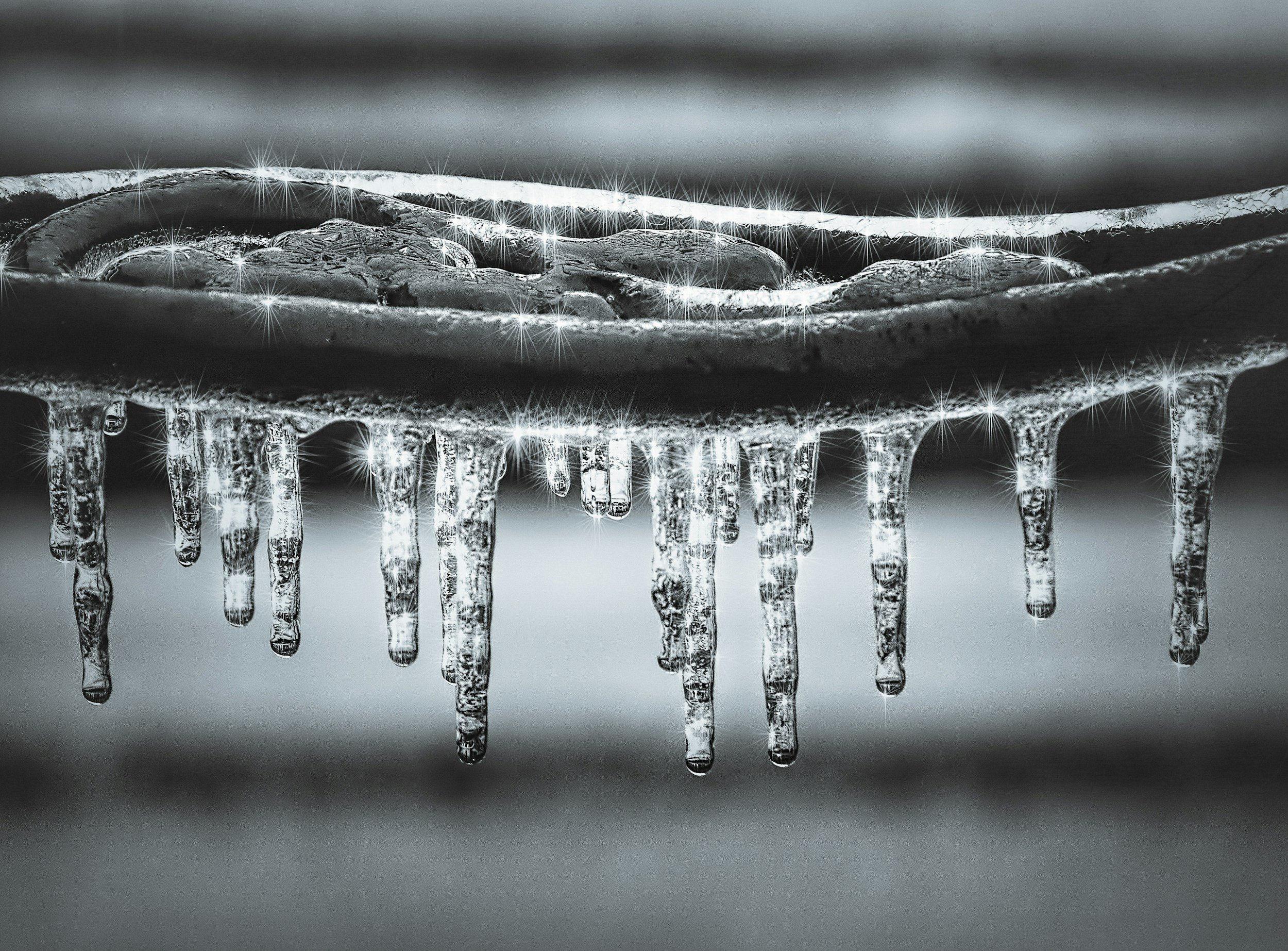
Frozen pipes are one of the most common and expensive winter home emergencies. When water freezes inside a pipe, it expands—often causing the pipe to crack or burst. The result can be thousands of dollars in water damage, repairs, and lost time.
The good news? With a few simple preventive steps, you can protect your plumbing system and keep your home safe all winter long. Preventing frozen pipes doesn’t require expensive upgrades—just preparation, awareness, and reliable heating.
Why Pipes Freeze in Cold Weather
Pipes are most vulnerable when:
Temperatures drop below 32°F
Heat is inconsistent or turned off
Pipes run along exterior walls or in unheated spaces
Power outages shut down heating systems
Understanding these risks is the first step in preventing frozen pipes. Consistent warmth, proper insulation, and dependable energy sources like propane can dramatically reduce your risk of winter plumbing disasters.
6 key practices During Freezing Temps
1. Keep Your Home Warm and Consistent
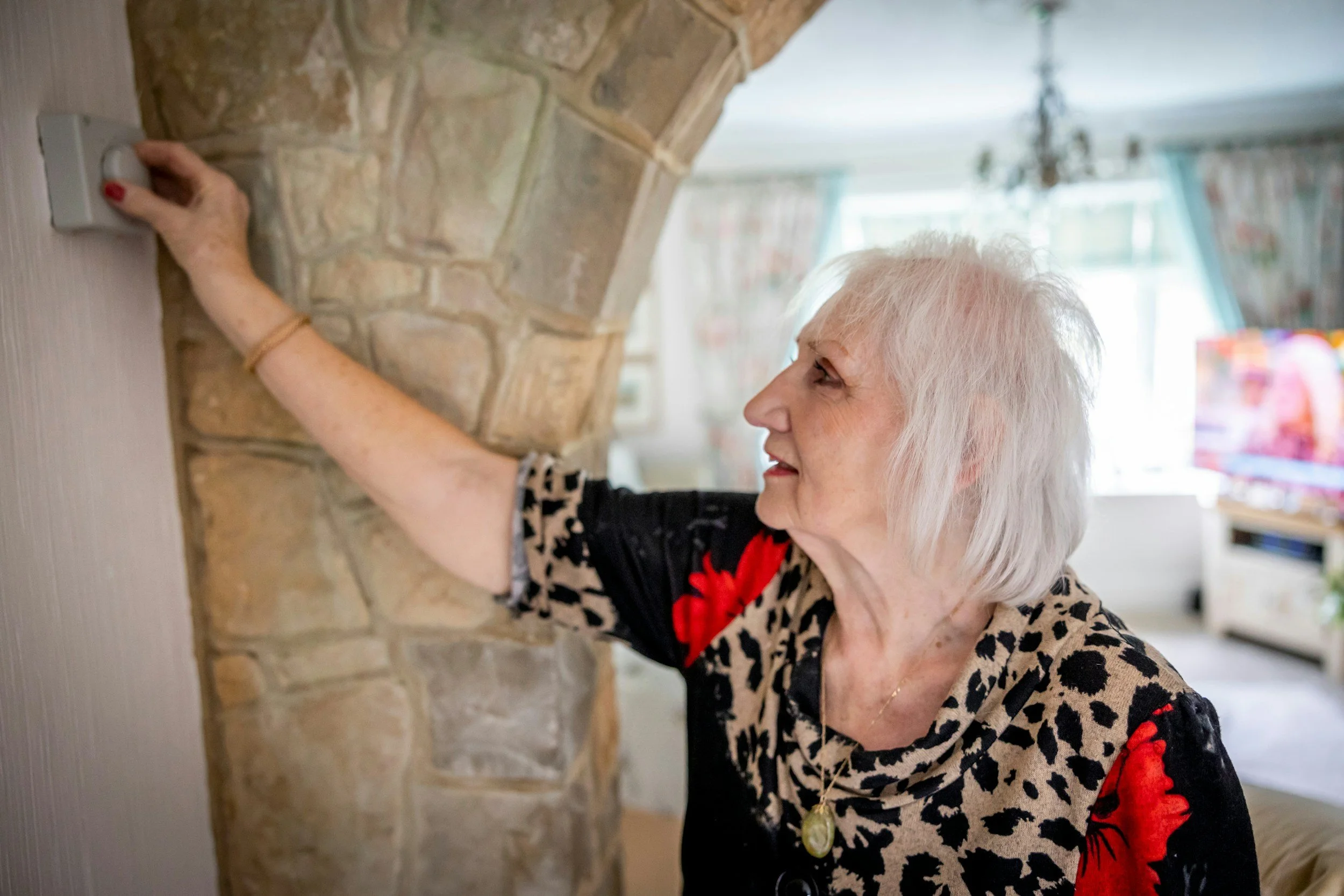
Maintaining steady indoor heat is your strongest defense.
Set your thermostat to at least 55°F, even when you’re away.
Avoid lowering the temperature overnight.
Don’t rely solely on space heaters or wood stoves—some rooms and walls may still remain cold.
NEVER use outdoor propane appliances (like grills or portable generators) indoors, as you risk carbon monoxide poisoning.
2. Let Faucets Drip During Extreme Cold
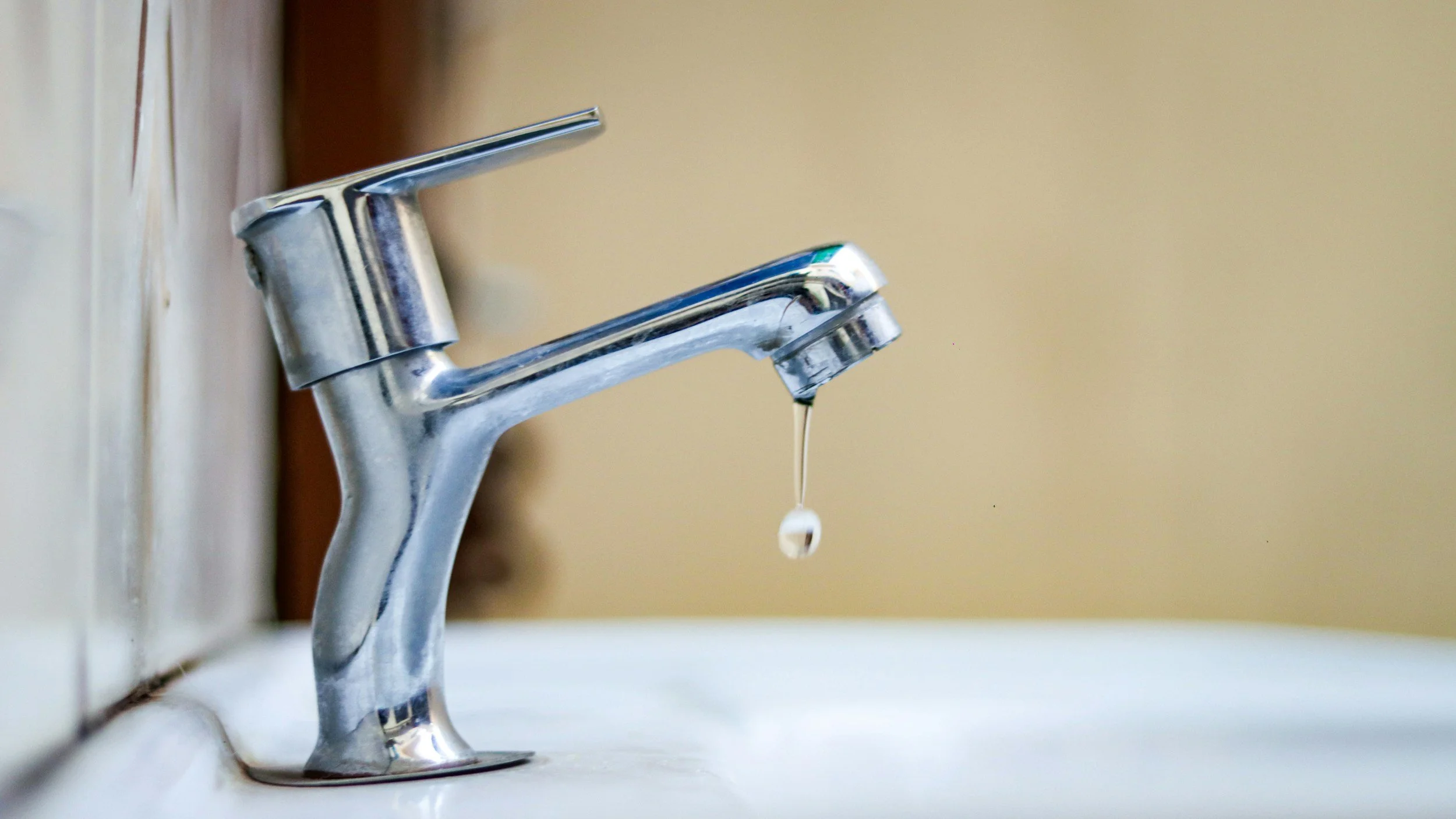
Moving water freezes more slowly than standing water. This small step can dramatically reduce pressure buildup if ice forms.
Allow a slow, pencil-thin drip from faucets connected to exterior walls.
Drip both hot and cold taps when temperatures are extremely low.
Focus on faucets connected to pipes along outside walls or in unheated areas.
3. Insulate Exposed, Vulnerable Pipes
Wrap exposed water pipes with foam insulation sleeves or heat tape to help protect them against cold air.
Pay special attention to any exterior wall pipes and those in basements, attics, garages, and crawl spaces — these are most likely to freeze.
Use foam faucet covers for an extra layer of insulation.
4. Let Warm Air Circulate
Open cabinet doors under sinks.
Keep interior doors open to promote airflow.
Close garage doors if plumbing runs nearby.
Warm air circulation can raise pipe temperatures just enough to prevent freezing.
5. Seal Drafts, Cracks, and Air Leaks
Cold air entering through small gaps can chill pipes quickly. Weather stripping and caulk are inexpensive and highly effective.
Insulate or seal gaps around pipes, vents, doors, and windows to keep cold air out.
Even small drafts near plumbing can lower pipe temperatures enough to freeze water.
6. Protect Outdoor Faucets and Hoses
Outdoor plumbing is often the first to freeze.

Disconnect garden hoses and drain irrigation systems before winter.
Close the indoor valve for outdoor faucets and drain any remaining water.
Locate and test your main water shut-off valve. In case of a burst pipe, shutting off the water quickly can limit damage.
If You’re Away From Home
Never shut off the heat completely unless you drain pipes and water lines first.
Ask a friend or neighbor to check on your house during extended absences.
Consider smart thermostats or remote monitoring
If your house is going to be unoccupied or vacant for any period of time, it is your responsibility to make sure you have an adequate supply of fuel and to ensure drives and paths are cleared if you are due for a delivery.
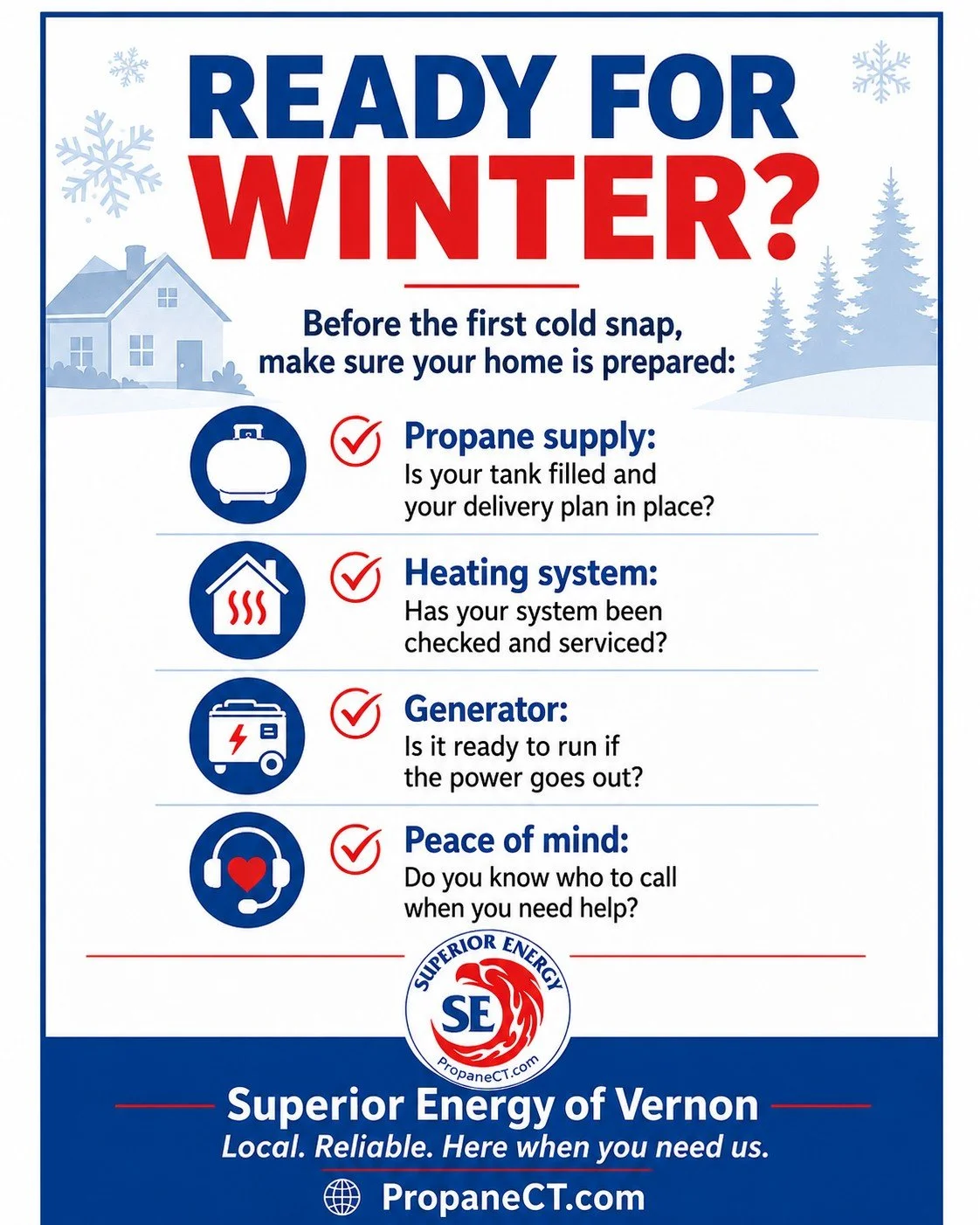
Quick Checklist: Prevent Frozen Pipes
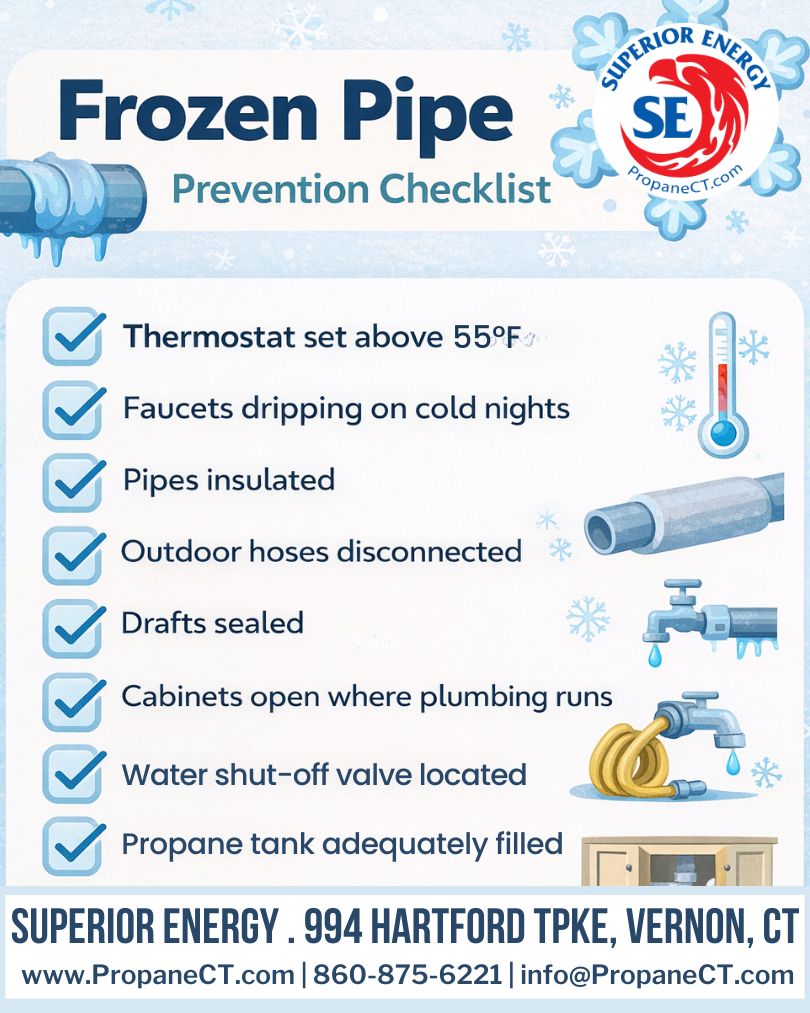
✔ Thermostat set above 55°F
✔ Faucets dripping on extreme cold nights
✔ Pipes insulated
✔ Cabinets open where plumbing runs
✔ Drafts sealed
✔ Outdoor hoses disconnected
✔ Propane tank adequately filled
✔ Backup generator ready
✔ Water shut-off valve located
How Propane Helps Protect Your Pipes
Homes heated with propane have a major winter advantage: reliable, on-site fuel.
Propane systems continue working even when electric supply is disrupted, helping maintain safe indoor temperatures that keep pipes from freezing. Unlike fully electric heating systems, propane heat is not dependent on continuous grid power.
Consistent warmth = lower risk of frozen plumbing.
For homeowners in cold climates, propane heat provides dependable protection when it matters most.
Don’t Forget Backup Power
Power outages are one of the leading causes of frozen pipes.
Without electricity:
Furnaces stop
Indoor temperatures drop rapidly
Pipes freeze within hours
A propane-powered standby generator can keep your whole home running during outages, protecting your plumbing and preventing costly damage.
This is especially important during nor’easters, ice storms, and severe cold snaps.